A documentary produced by SWR, Germany’s public broadcasting network, has sparked controversy from its very opening moments after posing the question: “Are nuns allowed to masturbate?” The film, which explores the daily life of a Catholic nun, has drawn criticism for what many consider an intrusive and inappropriate focus on the sexual dimension of consecrated life.
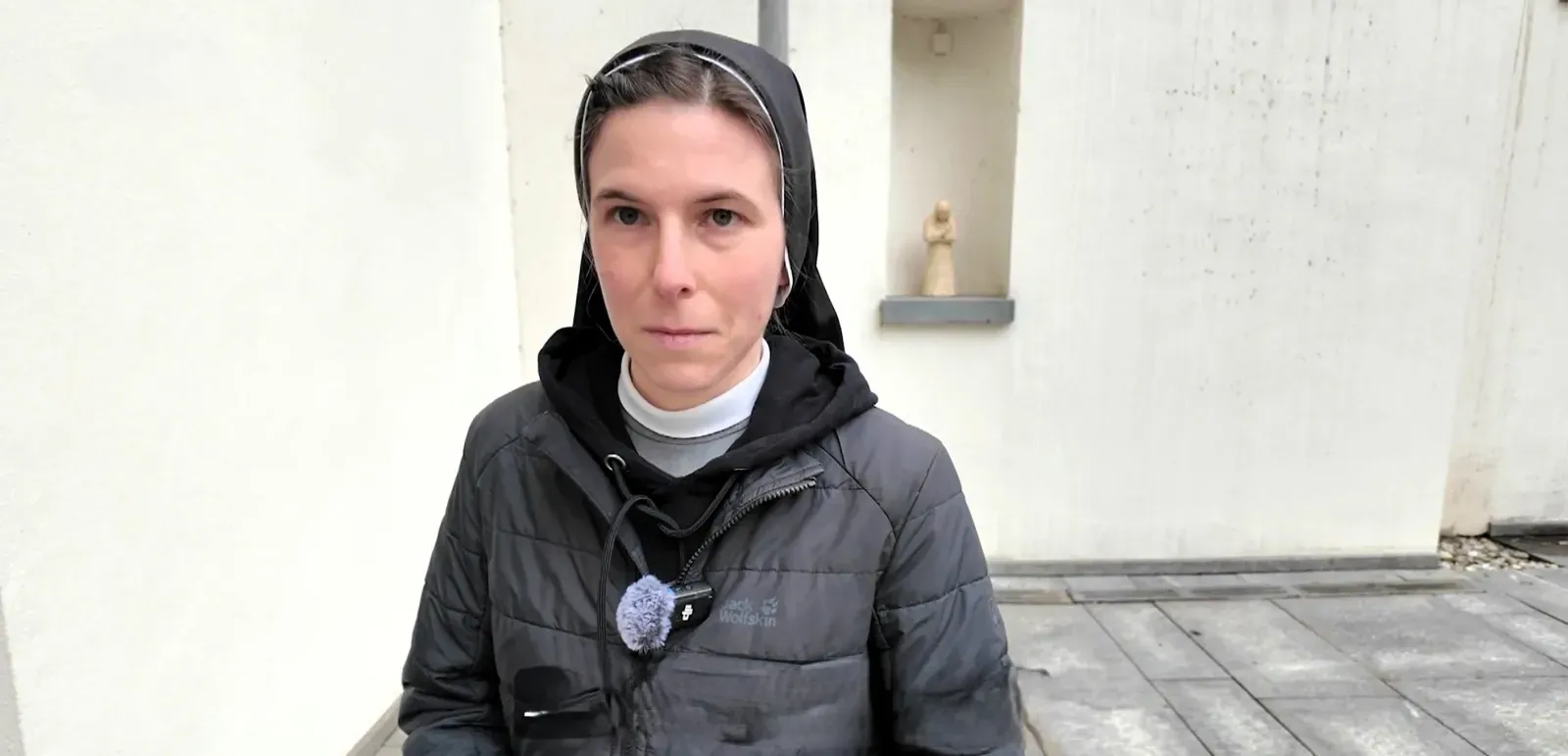
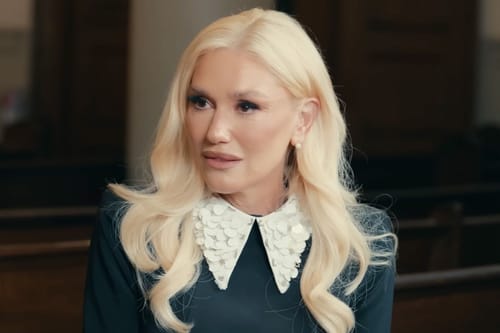
The documentary, titled “24 Hours in the Convent: The Everyday Life of Sister Marie-Salome,” was released in December as part of SWR’s “360 Grad” documentary series. In its opening scene, the reporter asks Sister Marie-Salome directly: “When you actually feel desire, what do you do? Are you allowed to masturbate?” A clip of this exchange was later shared on SWR’s Instagram account under the provocative caption: “A life without sexuality?!”
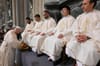
The report was filmed at Hegne Convent, home to the Sisters of the Holy Cross, located on the shores of Lake Constance. Journalist Leonie Maderstein spent 24 hours living alongside the community, closely following the daily routine of Sister Marie-Salome. According to the documentary, the nun entered religious life at the age of 25 and has been living in the convent for nine years.
In the film, Sister Marie-Salome also speaks about choosing her religious name. She explains that she was free to choose it, and that it refers both to Mary, the Mother of Jesus, and to Salome, a female figure in the New Testament. She describes her vocation as a desire “to bring God into the world as the Crucified and Risen One—walking with people in their fears and struggles, but also in moments of shared joy and celebration of life.”
Following the broadcast, Hegne Convent published an official statement on its website expressing reservations about the documentary’s editing and framing. “We do not fully agree with the way the report was edited or titled,” the statement said. At the same time, the community acknowledged the overall value of the film, noting that it offers a respectful, close, and largely authentic portrayal of religious life, highlighting its depth, humanity, and ordinariness.
According to the news outlet Nius, SWR later defended the controversial question, stating that it was not intended to be vulgar but rather aimed at “breaking down stereotypes” surrounding religious life.
From the perspective of Catholic teaching, however, the issue touches on well-established moral doctrine. Rooted in Sacred Scripture and Tradition, the Catholic Church teaches that sexual activity is ordered toward marriage between a man and a woman. Any form of sexual activity outside of marriage—including adultery, masturbation, and same-sex acts—is not considered morally acceptable within Catholic teaching, including for those living the consecrated religious life.
Author

Chuyên viết tin tức và bài phân tích về Giáo hội Công giáo và các vấn đề tôn giáo – xã hội quốc tế.